• Link to X
  • Link to LinkedIn
  • Link to Facebook
  • Client Access
Earth Equity Advisors
  • Home
  • Who We Serve
    • Who Our Clients Are
    • Working With Earth Equity
  • What We Do
    • Sustainable, Resilient, and Innovative Investment Management
    • Financial Advising & Planning
    • Green Sage Sustainability Portfolio
    • Green Sage DeCarb Portfolio
    • Impact X-Ray
    • Events
  • About Us
    • Expertise in Sustainable Investing
    • Investment Philosophy
    • FAQs
    • Book Peter Krull
  • SRI 101
    • Introduction to SRI Investing
    • Sustainable Investing
    • Investing in Women & Girls
    • Fossil-Fuel Free Investing
    • Investing in Renewable Energy
  • Dollars & Change
  • Press
  • Blog
  • Careers
  • Contact
  • Click to open the search input field Click to open the search input field Search
  • Menu Menu
Blog

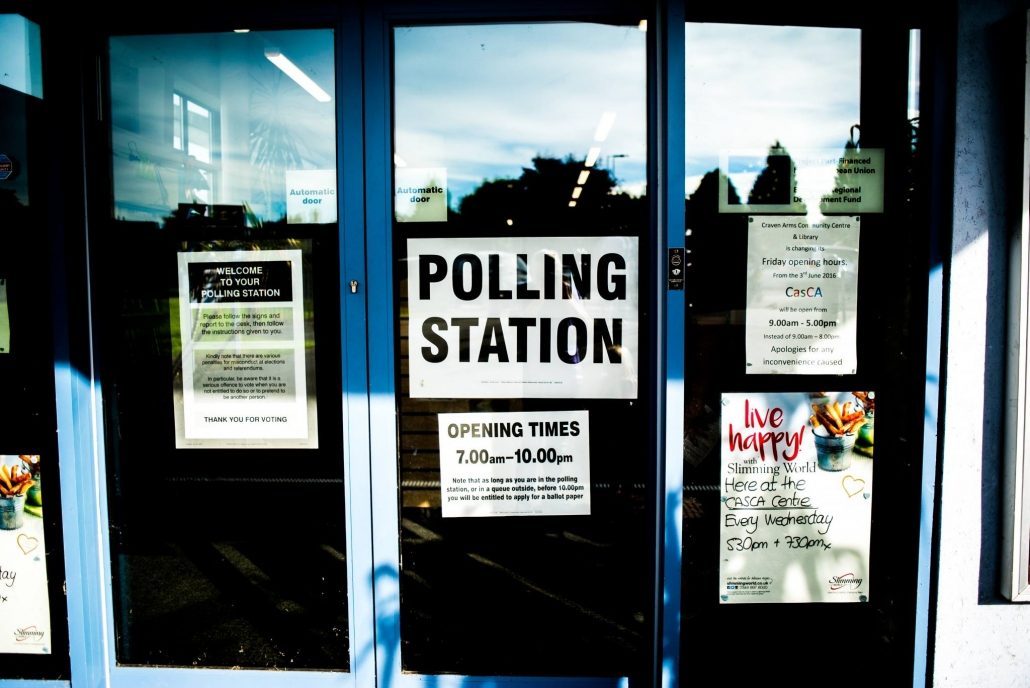
Guest Blog – Next Economy: Election Aftermath

November 14, 2016/in Fossil Fuel Divestment, Renewable Energy, Sustainable Investing/by Garvin Jabusch

If you believe in the continuing evolution of the economy towards innovation-driven sustainability and economic coexistence with our fragile earth systems, then this has been a rough week.

So, what happened? We can cite a number of likely reasons behind Trump’s victory, but here are the ones that stood out to us.

  • First, people are extremely angry about the ever-widening economic and social inequality and inequity they have been experiencing the last couple decades, and they can see that the main beneficiaries of this inequality are never held accountable (only one banker jailed after 2008, for example).
  • Second, half of the nation – or 47% of the electorate anyway – has been convinced by an ideology that claims the best way to fight inequality is to pass policies that actually cause more inequality. Jane Mayer’s book Dark Moneydoes an excellent job of explaining how this happened.

Unfortunately, this ideology has negative implications for the Next Economy. Next Economics at its core reflects the ongoing process of de-risking the global economy of its most serious long-term threats, those being the worst outcomes of climate change, resource scarcity, and widening inequality. The risk of inequality itself has now driven an election result that will slow progress on managing all real systemic risks.

We’ve always said that U.S. political risk is one of the scariest things about managing for the Next Economy, because so much policy and business is driven by the owners of legacy economy energies, utilities, transportation and so on. “The next president has questioned the science of climate change, vowed to withdraw from the Paris agreement on global warming and pledging to stimulate production of coal, the dirtiest fossil fuel,” is how Bloomberg put it. Meanwhile, many of the world’s leading institutions (the World Economic Forum at Davos, for one) still cite climate change and the erosion of social cohesion as the most dangerous and pressing economic risks confronting the world. The global economy can, must and will rise to meet these challenges.

The transition to an economy based on businesses that are more efficient, less risky, and more profitable remains inevitable; and the realities of the global economy’s exposure to climate and social risks remain the same. Much of the world still understands this, and a Trump presidency will set back U.S. technological and political progress behind the rest of the world, at least temporarily. As Michael Liebreich of Bloomberg New Energy Finance tweeted, “So this is interesting. I will continue to inform decision-makers about the world’s unstoppable transition to clean energy and transport.” Our economic evolution continues, but which nations and regions benefit first and most by taking advantage of the most incredible advances may now be an open question.

Critically as well, America’s most economically powerful states – led by New York and California – will continue to support sustainable technology and renewable energies in pursuit of greater economic growth. Indeed, we did see some bright spots the other night: Florida solar advocates celebrated a major win as voters rejected a utility-backed amendment to limit solar energy development. It is unlikely that wind energy in America will suffer much either: “Seventy percent of U.S. turbines are in low-income rural areas,” according to Bloomberg, saying, “Wind Is the New Corn for Struggling Farmers.” In fact, the five states generating the largest fraction of their electricity from wind all voted for Trump. The economic, health and other benefits of clean, renewable energies are winning despite political rhetoric.

We need to continue investing in the zero-risk economy, and we still stand to earn outsize returns as the Next Economy gains market share away from the legacy economy. The investment decisions affecting climate change we make collectively and globally in the next few years will reverberate for centuries and affect billions of people. A Trump presidency does nothing to change that.

In the long run, economics drive the future and policy follows, not the other way around. Coal isn’t in terminal decline for any reason other than it is no longer economically competitive; solar isn’t the fastest-growing energy source in the world because of the Paris Accords, but because it is incredibly economically competitive. No administration can change that. They can only make it more or less timely.

The road ahead may not be as smooth as we once imagined, but we still got this.

Garvin Jabusch is the Co-Founder and Chief Investment Officer at Green Alpha Advisors. At Green Alpha, he is responsible for managing the firms’ four Next Economy portfolios. Garvin has appeared numerous times on CNBC, Bloomberg, Wall Street Journal, Forbes.com and other media outlets and publications on green and clean tech investing. Visit www.greenalphaadvisors.com for more information.

Tags: Garvin Jabusch, Green Alpha, Next Economy
Share this entry
  • Share on Facebook
  • Share on X
  • Share on WhatsApp
  • Share on LinkedIn
  • Share by Mail
https://www.earthequityadvisors.com/wp-content/uploads/2016/11/elliott-stallion-105205-unsplash.jpg 1368 2048 Garvin Jabusch https://www.earthequityadvisors.com/wp-content/uploads/2024/09/Earth-Equity-Advisors-Prime-Capital-Financial-Logo-300x109.png Garvin Jabusch2016-11-14 21:48:502019-07-12 14:32:56Guest Blog – Next Economy: Election Aftermath
You might also like
Inclusion & the Next Economy: A Solutions Based Conversation
Empowering Your Dollars to Change the World
Next Economics and Investing: 2017 Message from Green Alpha Advisors
Search Search

Categories

  • Blog
  • Community Impact Investing
  • Company News
  • Financial Planning
  • Fossil Fuel Divestment
  • Investing in Women and Girls
  • Renewable Energy
  • Responsible Business
  • SRI Investing
  • Sustainable Investing

Archives

  • May 2026
  • April 2026
  • March 2026
  • January 2026
  • December 2025
  • November 2025
  • October 2025
  • September 2025
  • August 2025
  • July 2025
  • June 2025
  • May 2025
  • April 2025
  • March 2025
  • February 2025
  • January 2025
  • December 2024
  • November 2024
  • October 2024
  • September 2024
  • August 2024
  • July 2024
  • June 2024
  • May 2024
  • April 2024
  • March 2024
  • February 2024
  • January 2024
  • November 2023
  • September 2023
  • June 2023
  • April 2023
  • March 2023
  • February 2023
  • November 2022
  • September 2022
  • August 2022
  • June 2022
  • January 2022
  • December 2021
  • October 2021
  • September 2021
  • August 2021
  • July 2021
  • May 2021
  • April 2021
  • March 2021
  • February 2021
  • January 2021
  • November 2020
  • August 2020
  • July 2020
  • December 2019
  • November 2019
  • October 2019
  • September 2019
  • August 2019
  • July 2019
  • June 2019
  • April 2019
  • March 2019
  • January 2019
  • December 2018
  • November 2018
  • October 2018
  • September 2018
  • July 2018
  • June 2018
  • May 2018
  • April 2018
  • March 2018
  • January 2018
  • December 2017
  • November 2017
  • October 2017
  • September 2017
  • August 2017
  • June 2017
  • May 2017
  • April 2017
  • March 2017
  • January 2017
  • December 2016
  • November 2016
  • September 2016
  • August 2016
  • July 2016
  • June 2016
  • April 2016
  • March 2016
  • December 2015
  • November 2015
  • September 2015
  • July 2015
  • June 2015
  • May 2015
  • April 2015
  • December 2014
  • October 2014
  • September 2014
  • August 2014
  • July 2014
  • June 2014

Helping You Align Your Investments With Your Values®

  • About
  • FAQs
  • Contact

877.235.3684

828.276.1600

info@earthequityadvisors.com

40 North Merrimon Avenue, Suite 301

Asheville, NC 28804


Sign up for our email series on Sustainable, Responsible and Impact Investing

Sign Me Up!

You can check the background of Earth Equity Advisors on FINRAʼs Broker Check and Investment Adviser Public Disclosure.

© 2026. Prime Capital Financial. This information does not constitute legal advice. Prime Capital Financial and its associates do not provide legal advice. Individuals should consult with an attorney regarding the applicability of this information for their situations. Advisory products and services offered by Investment Adviser Representatives through Prime Capital Investment Advisors, LLC (“PCIA”), a federally registered investment adviser.  Tax planning and preparation services are offered through Prime Capital Tax Advisory. PCIA: 6201 College Blvd., Suite#150, Overland Park, KS 66211. PCIA doing business as Prime Capital Financial | Wealth | Retirement | Wellness | Family Office | Tax Advisory.

© 2026 – Earth Equity Advisors, LLC – All Rights Reserved.

View our Privacy Policy

Form CRS

Form ADV Part 2A

Wrap Fee Program Brochure for Asset Management Services

Wrap Fee Program Brochure for Limited Advisory Services

Business Continuity Plan

Link to: Krull & Company Receives the 2016 Green Business Award from MountainTrue Link to: Krull & Company Receives the 2016 Green Business Award from MountainTrue Krull & Company Receives the 2016 Green Business Award from MountainTr... Link to: Three Investment Strategies To Tackle Climate Change Link to: Three Investment Strategies To Tackle Climate Change Three Investment Strategies To Tackle Climate Change
Scroll to top Scroll to top Scroll to top